
Are Martial Arts Suitable for Someone With a Past Injury or Joint Problems?
- Martial Arts
- Injury-Safe Training

Written and reviewed by Jayson Patino
Why Martial Arts Can Work for Injured or Sensitive Joints
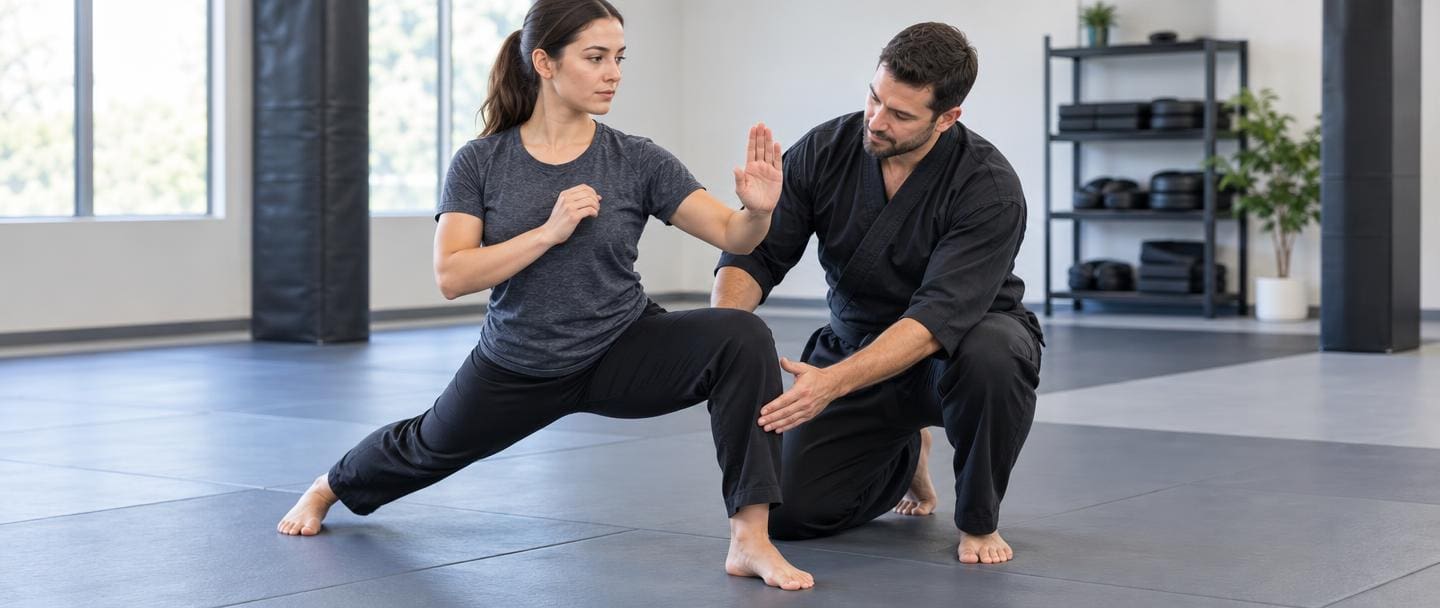
Modifying Technique and Intensity
Talking to Your Instructor and Doctor First
Building Strength, Mobility, and Confidence Over Time
When Extra Caution Is Needed
Related questions
Which parts of martial arts training are most likely to aggravate the injury or joint problem for someone?
What martial arts drills can be modified or substituted while that injury is being managed?
What details about the injury should the student tell the martial arts instructor before training?
When is medical clearance sensible before starting or returning to martial arts with that injury?
Medical clearance makes sense whenever an injury is still healing, has recently flared up, or involves swelling, sharp pain, or limited movement that could affect training. It’s also wise to check in with a doctor if the injury changes in any way once training resumes, since increased activity can affect it differently than expected. Getting clearance beforehand helps confirm the injury can handle training safely, and letting the instructor know allows techniques to be adjusted if needed.
What pain or warning signs mean the student should stop or scale back martial arts training?
Sharp, stabbing, or shooting pain, joint instability, dizziness, or swelling are all signs that training should stop right away. Mild, short-lived soreness after a modified class is usually normal and often eases with rest, ice, and gentle stretching. But if discomfort lingers, worsens, or returns with movement, it’s best to scale back and consult a doctor before continuing. Letting the instructor know about these warning signs also helps them adjust future sessions safely.
Talk to Instructor Jayson Patino About Training With Your Injury or Joint Concerns

- Last updated: 25 September 2026