
We all start somewhere in martial arts, and if you have ever thrown a punch that felt more like a confused wave, you are not alone. Martial arts drilling methods for beginners can feel overwhelming at first, but repetition is the real teacher.
Every skilled martial artist built technique one repeated movement at a time.
Whether you are working on basic striking drills, footwork patterns, or simple partner sequences, the path forward is the same: practice the basics until they feel natural.
There is no shortcut to building solid technique, but there is a smarter way to train. Deliberate practice means focusing on quality over speed. It means drilling a lead hook slowly before throwing it fast and working through ground fighting positions or joint locks with control before adding pressure.
These principles are part of the broader martial arts training fundamentals that help beginners develop coordination, timing, balance, and reliable technique.
Partner drilling for beginners helps you experience real resistance in a controlled way. Solo drills build muscle memory when no partner is around. Both matter, and both work together to make you better.
We put together a breakdown of progressive martial arts drills that actually work for beginners. From basic striking combinations and footwork patterns to ground fighting flow and resistance punches, these methods give you a practical way to build technique that holds up when it counts.
How Deliberate Practice in Martial Arts Differs From Casual Training
Deliberate practice in martial arts means training with clear intent. There is a big difference between simply going through the motions and truly drilling a skill. Casual training feels comfortable. Deliberate practice pushes us just beyond our comfort zone.
- We focus on one specific movement at a time.
- Each repetition targets a measurable skill gap.
- Mindless repetition can reinforce bad habits.
- Focused drilling produces more lasting improvement.
Think about it this way. Would you rather throw 100 sloppy punches or 20 clean, controlled ones?
Entry-level kids martial arts practice methods work best when we set a clear target for each session. Maybe we want to fix how our hands drop after throwing a lead hook. Or maybe we want to tighten our footwork before adding kicks. Having a goal keeps us honest and focused throughout every rep.
Core Martial Arts Drilling Methods for Beginners
We use several proven martial arts drilling methods for beginners. Each one builds technique at a manageable, steady pace.
Solo Drilling and Martial Arts Technique Drills
Solo drilling lets us practice almost anywhere. It is one of the most accessible beginner training methods because we need little more than enough space to move safely.
- Shadow drilling develops movement without equipment.
- Martial arts technique drills isolate specific strikes or blocks.
- Mirror drilling helps us identify and correct poor form.
- Slow repetitions build precision before speed.
Simple martial arts drilling sequences work well for solo sessions. For example, we can practice hammer fists aimed at head level while focusing on hip rotation and wrist alignment. This type of focus technique drill is simple, but it allows us to pay attention to details that can disappear when we rush.
Partner Drilling for Beginners
Partner drilling introduces real timing and distance. Solo drills build our movement, but a partner teaches us how to apply that movement against another person.
- A partner adds realistic resistance and feedback.
- We learn to read movement and react accurately.
- Partner drilling develops trust and communication.
- We can increase speed gradually as control improves.
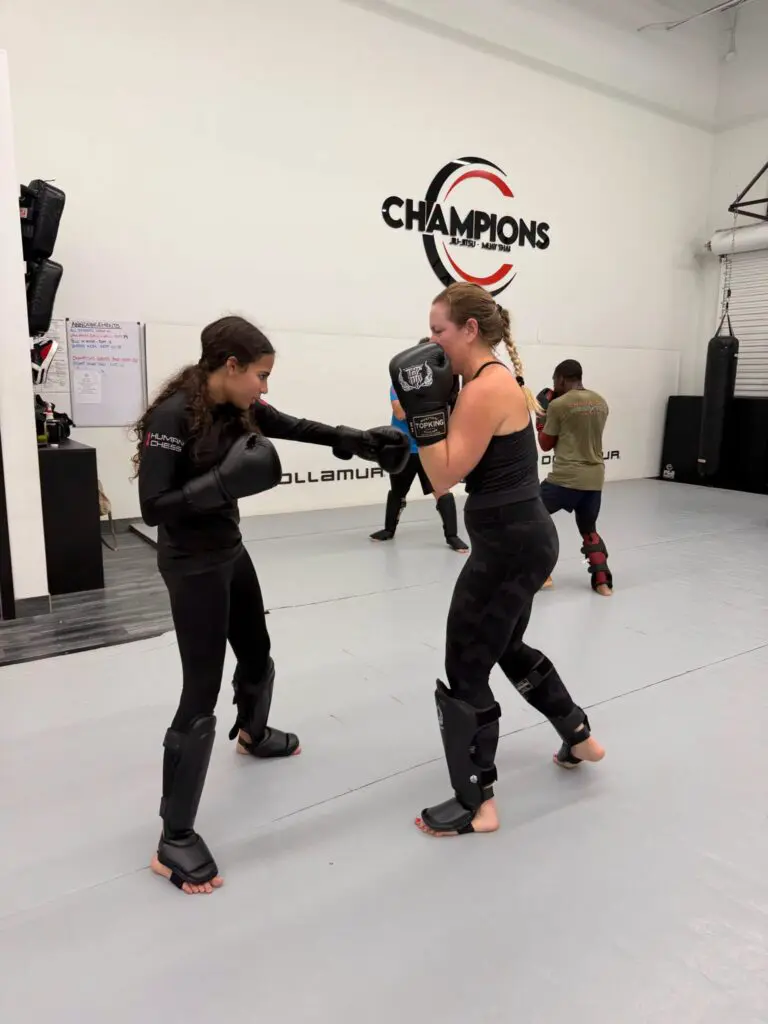
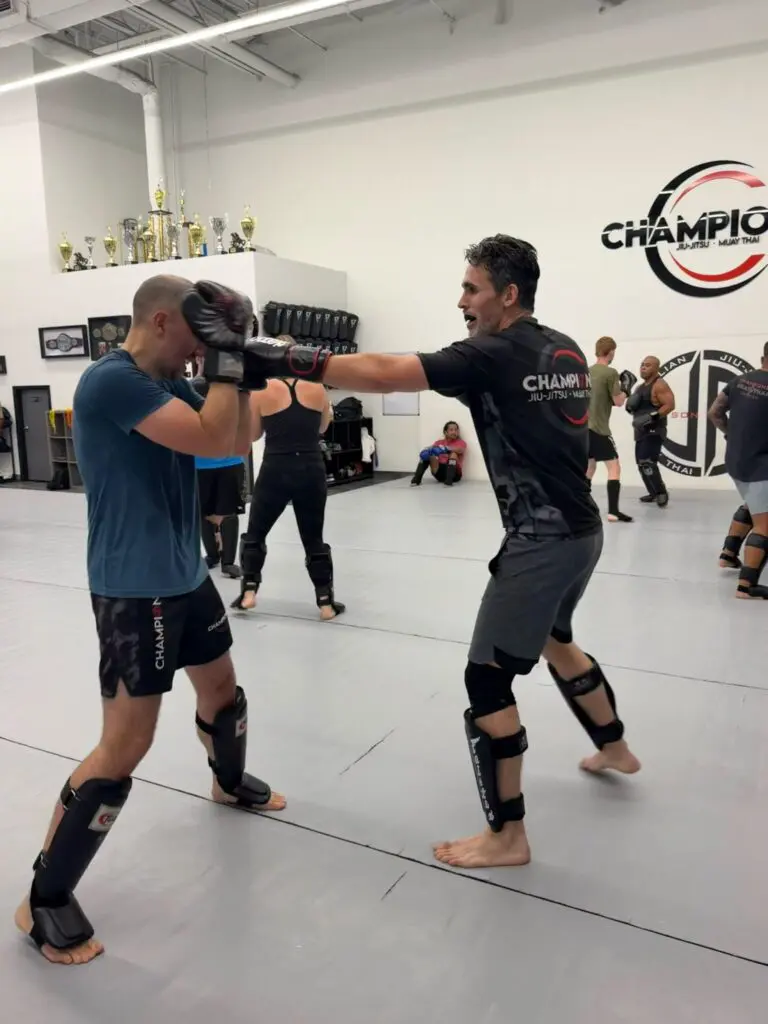
One useful partner exercise is a fighting flow drill. One person acts as the attacker and throws slow, controlled resistance punches. The other practices counter punches and basic defensive movement. Resistance can be adjusted according to the experience of both students.
As students become more comfortable, we can switch roles so a coach or senior student becomes the attacker. This gives beginners experience working with different body types, movement styles, and timing patterns without adding unnecessary pressure.
Joint locks can also fit naturally into partner drilling during ground fighting practice. However, they should always be trained with control. Both partners tap early and reset quickly so everyone can continue learning safely.
Structured partner work is common across many schools, including programs teaching martial arts in Orlando, because controlled interaction gives students a chance to apply individual movements while developing awareness of distance, timing, and another person’s reactions.
Progressive Martial Arts Drills for Steady Growth
Progressive martial arts drills increase the challenge at each stage. This helps us avoid doing the same movement repeatedly without developing the ability to apply it.
- Start with isolated movements before combining techniques.
- Add footwork, distance, or timing as skills improve.
- Progress from static drills to reactive scenarios.
- Track improvements to stay consistent.
Rapid-strike training is a good example. We begin with a single strike performed slowly. Then we build a three-strike combination. After that, we might introduce a level change or clinch entry.
Each variation gives us something new to solve without skipping the foundation underneath it.
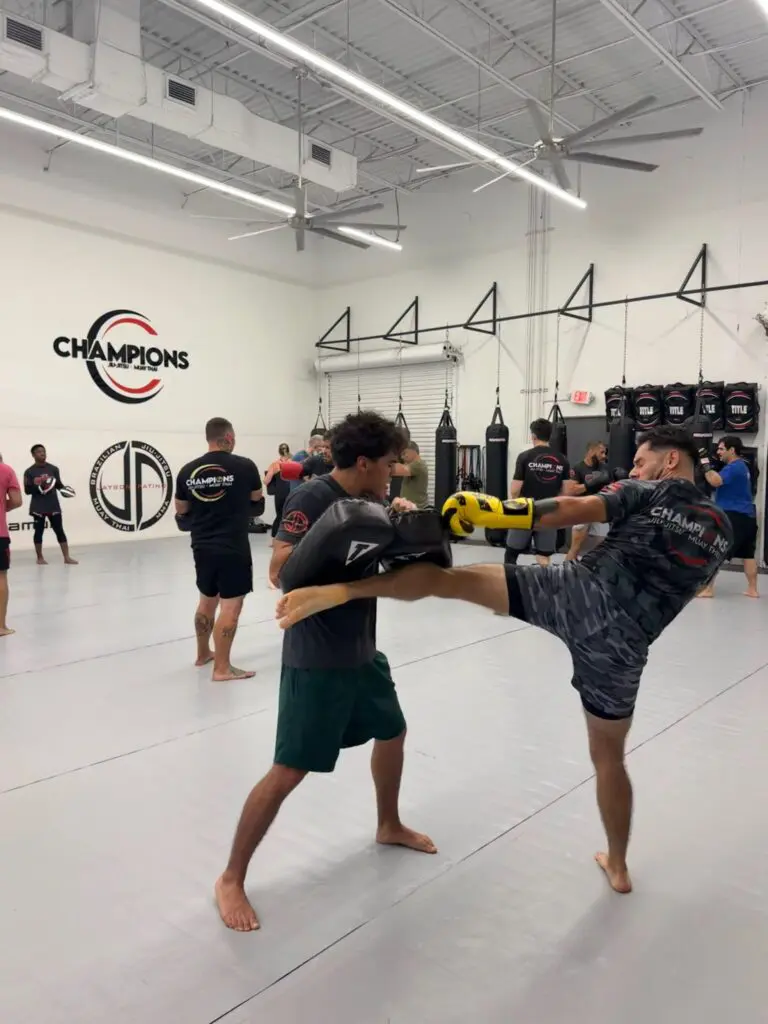
Kicks can follow the same progression. We first drill a kick from a static stance. Then we add footwork before the kick. Eventually, we practice throwing it after a punch or level change.
Variations should only be added when the basic movement feels controlled and repeatable.
Simple Tips to Get More From Every Drilling Session
We can improve almost any drilling session with a few small adjustments.
- Set a clear goal before beginning each drill.
- Keep rest periods appropriate for maintaining quality.
- Film selected repetitions to review technique.
- Ask instructors for feedback.
- Apply martial arts drilling methods for beginners consistently.
One useful exercise is becoming aware of when our hands drop during combinations. If we notice the guard falling after a strike, we correct it immediately. Over time, returning the hands to a protective position becomes more automatic.
Another useful approach is simply slowing everything down. When a movement feels messy or rushed, practice it at half speed. This makes it easier to notice balance, posture, positioning, and unnecessary tension. Once the movement becomes clean at a slower pace, speed can gradually return without sacrificing technique.
It also helps to resist the urge to constantly add new techniques. Beginners often improve faster when they spend more time refining a small number of movements rather than collecting dozens of techniques they cannot perform consistently.
Build Confidence With Martial Arts Drilling Methods for Beginners
Learning martial arts can feel overwhelming at first, but repetition gives us a clear path forward.
When we practice basic strikes, footwork, solo movements, and partner drills consistently, the body gradually becomes more familiar with each technique. Every session builds on the last.
A good next step is to choose one or two drills from this guide and practice them with a specific goal. Start with a basic striking drill or footwork pattern that you can perform slowly and accurately. Once it feels comfortable, introduce a partner and try a controlled resistance drill.
Focus on clean technique before adding speed or pressure. Martial arts drilling methods for beginners work best when practice stays consistent, purposeful, and patient. The goal is not to perform hundreds of repetitions as quickly as possible. The goal is to make every repetition teach you something.


